The Problem with Perfect Lawns
When I drive through Florida neighborhoods, I see the same thing again and again, bright green lawns stretching to the street, trimmed to perfection and watered every morning. They look neat, but they’re also thirsty, expensive, and lifeless. Turf grass might seem harmless, but it’s one of the least sustainable features in modern landscapes.
Lawns require constant irrigation, fertilizer, and mowing. Those fertilizers and chemicals often end up in storm drains, which lead straight to the bay. Over time, that pollution contributes to algae blooms that harm seagrass and marine life. It’s a cycle that starts in our front yards but affects the entire ecosystem.
For years, people accepted lawns as a symbol of care and order, but that’s changing fast. Across Florida, homeowners, schools, and even city governments are starting to ask a different question: what if we could have beauty, order, and low maintenance without all the waste? That’s where the native garden movement comes in.
The Power of Native Plants
Native plants are the ones that have evolved here over thousands of years. They already know how to handle our sandy soil, salt air, and summer rains. They don’t need constant watering or fertilizers because they’re adapted to our environment. And just as important, they support local wildlife, especially pollinators like bees, butterflies, and hummingbirds.
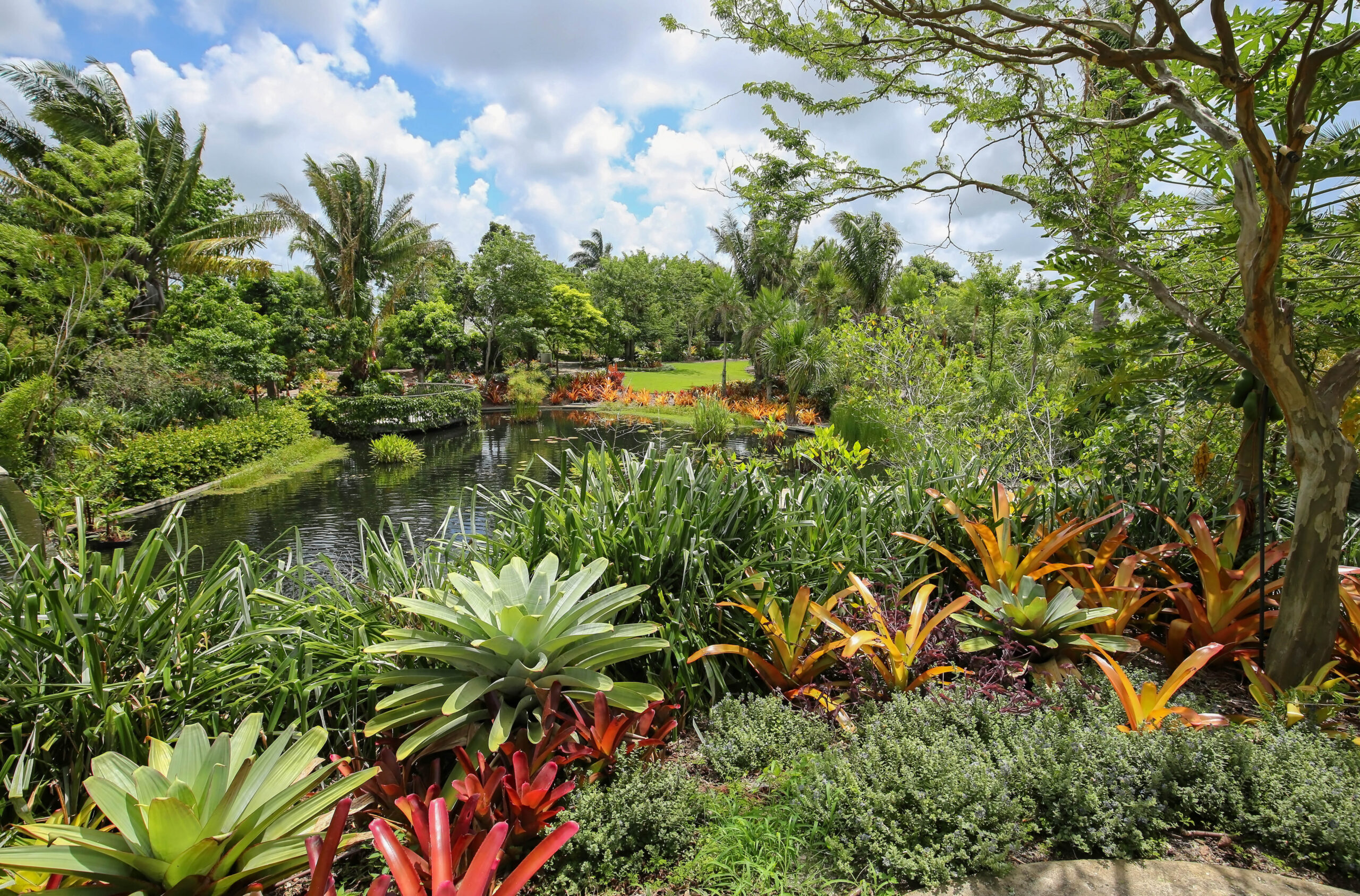
A native garden can be as striking as any traditional yard, but it feels more alive. You’ll notice birds returning, dragonflies hovering, and the soft rustle of grasses in the breeze. It’s a different kind of beauty, less polished, more natural, but deeply peaceful.
When I talk to homeowners who’ve replaced their lawns, most say the same thing: they didn’t expect to feel so connected to their yard. Watching a monarch lay eggs on milkweed or seeing a black swallowtail on fennel makes you realize how much life a simple plant can support.
GulfGrow and the Native Garden Exchange
In Sarasota, I helped start a community initiative called GulfGrow with a few local ecologists and volunteers. Our goal was simple: make it easy for people to swap turf for native plants. We started with a handful of pilot yards, offering design advice, plant lists, and even a volunteer planting day for those who needed help.
The idea spread faster than we expected. We now have over 150 participants, from small backyard gardens to entire HOA common spaces. One of my favorite projects was a retired couple in Siesta Key who removed their front lawn and replaced it with a mix of dune sunflower, muhly grass, and coontie. Within a month, their yard was buzzing with bees and butterflies. Neighbors began asking questions, and soon three more homes on the block joined in.
To support these efforts, we launched the Native Garden Exchange, a free plant-sharing network. People bring cuttings or seedlings from their own gardens and trade them for something new. It’s not just about plants, it’s about building community. Every time we host an exchange event, I see people forming friendships over soil, sunlight, and shared curiosity.
Working with Nature Through the Sarasota Bay Estuary Program
Another major influence on my work has been the Sarasota Bay Estuary Program, where I volunteer as a design advisor. The program focuses on restoring habitats and improving water quality, and one of the simplest ways to help is through native landscaping. Every raindrop that falls on a native garden is filtered naturally before it reaches the bay.
Through the program, we’ve installed demonstration gardens in public spaces, like parks, schools, and libraries, so people can see what native plants look like in real life. The biggest surprise for visitors is how colorful and elegant these gardens are. Plants like blanketflower, beach sunflower, and coral honeysuckle bloom for months, requiring only a fraction of the care that turf grass demands.
We also help local governments update landscaping ordinances to allow and encourage native plantings. Many older codes used to require a certain percentage of sod, but that’s slowly changing. Sarasota County recently approved flexible guidelines for water-wise landscaping, and more municipalities are following suit.
Changing Minds One Yard at a Time
The hardest part of this movement isn’t planting, it’s changing perception. Some homeowners worry that native gardens will look messy or attract pests. Education helps a lot. When people understand how design principles, like layering, repetition, and defined edges, can create order, they start to see native gardens differently.
I often tell clients that structure comes from layout, not the plant itself. A border of limestone, a curved path, or a small seating area instantly gives a native garden purpose. You can have wildflowers and neatness at the same time.
I recently worked with an elementary school to turn their courtyard lawn into a pollinator garden. The students helped plant native milkweed, black-eyed Susan, and goldenrod. Within weeks, they saw butterflies and bees visiting the flowers. That small project turned into an outdoor classroom, and now the kids take ownership of watering and weeding. Watching them connect with nature gives me hope for Florida’s future.
A Cultural Shift Toward Living Landscapes
The native garden movement isn’t just about plants, it’s about mindset. It asks us to rethink what beauty means and how we define a well-kept yard. For decades, we’ve tried to control nature, but we’re learning that working with it is far more rewarding.
More architects, builders, and developers are beginning to see native landscaping as an asset, not a trend. Resorts are trading manicured lawns for dune restoration, and homeowners’ associations are revising rules to allow more natural designs. Even small changes matter, replacing one strip of sod with native flowers can make a difference.
The best part is that this movement feels inclusive. You don’t have to be a designer or a scientist to participate. You just have to care about your piece of the planet.
Growing a New Florida
Every time I see a GulfGrow yard or visit a restored shoreline, I’m reminded that progress doesn’t have to come in huge leaps. It comes in steady, rooted growth.
When people choose native plants, they’re not just saving water or reducing chemicals. They’re helping rebuild the web of life that makes Florida unique. The sound of bees, the flutter of butterflies, and the gentle sway of grasses, these are signs of a healthy landscape.
The lawn had its moment, but now we’re ready for something better. Florida doesn’t need to imitate anywhere else. It already has everything it needs to be beautiful, vibrant, and alive. All we have to do is let it grow.