The Day I Stopped Calling It “Erosion Control”
A few years ago, I stood in a backyard on Sarasota Bay with a homeowner named Linda. She had a beautiful place. Big windows facing the water, a low patio, and a view that made you forget your phone existed. But her shoreline was falling apart. Every storm took a little more sand. The seawall was cracking, and the waterline crept closer to her steps each season.
Linda had already gotten three bids for a taller wall. She was ready to write the check. Still, she looked tired when she showed me the edge of her yard. She said, “I just want this to stop. I don’t want to fight the bay for the rest of my life.”
That sentence stuck with me. Because a seawall is a fight. It’s a hard line against a moving system. Sometimes it’s necessary, but it’s rarely peaceful. I told her there was another way. Not a quick fix or a magic trick, but a shoreline that could heal itself, grow stronger over time, and still look like part of her home. That was the day I started calling it a living shoreline instead of erosion control.
What a Living Shoreline Really Is
A living shoreline is a soft edge, not a hard wall. It uses natural materials and native plants to absorb waves instead of reflecting them. Think of it like giving the water a place to meet the land gently.
In Florida, that usually means some combination of oyster reefs, mangroves, salt marsh grasses, and native coastal plants. The goal is simple: slow down the force of water, hold soil in place, and create habitat. The bonus is that it can look stunning.
When you build a shoreline that is alive, you’re not just protecting property. You’re rebuilding a small piece of Florida’s natural coastline.
Why Hard Walls Keep Failing Us
Seawalls and bulkheads work by blocking waves, but water always finds a way to push back. The force hits the wall and bounces downward, which scours the sand at the base. Over time you get deeper water right along the edge, which makes erosion worse.
Walls also cut off habitat. You lose the shallow zone where fish hatch and birds feed. You lose the plants that filter runoff. You get a clean, sharp edge, but you also get a sterile one.
Living shorelines spread wave energy out. They trap sediment instead of losing it. They grow stronger as roots deepen and oysters stack. That’s why I recommend them whenever the site allows it.
Oyster Reefs as Quiet Bodyguards
Oysters are one of the best shoreline partners we have. They form reefs that break waves before they reach land. They also clean the water. A single oyster can filter gallons a day, so a reef is like a natural water treatment system sitting right in your backyard.
On Linda’s property, we installed a low offshore reef made from limestone and shell bags. It sat just under the waterline at high tide. Within the first year, oysters started attaching. By year two, you could see the reef growing in thickness.
Linda called me after a tropical storm and said, “The water came up, but it felt softer. I didn’t hear that harsh slapping sound against the yard anymore.” That’s what reefs do. They turn chaos into a manageable ripple.
Mangroves and Marsh Plants Do the Heavy Lifting
If oysters are the bodyguards, mangroves and marsh plants are the foundation. Their roots hold sediment in place and build it up. They create a living net that grabs soil every time the tide moves through.
In Florida, red mangroves are famous for their stilt roots, black mangroves are tough as nails, and white mangroves tuck into higher ground. Salt marsh plants like smooth cordgrass and saltwort fill the gaps and love being flooded.
When you plant these along a shoreline, you’re creating a flexible edge. It can shift a little, but it won’t break. It bends with storms, then springs back.
Making It Beautiful and Walkable
Some homeowners hear “living shoreline” and picture a wild, messy swamp. It doesn’t have to be that way. Design matters.
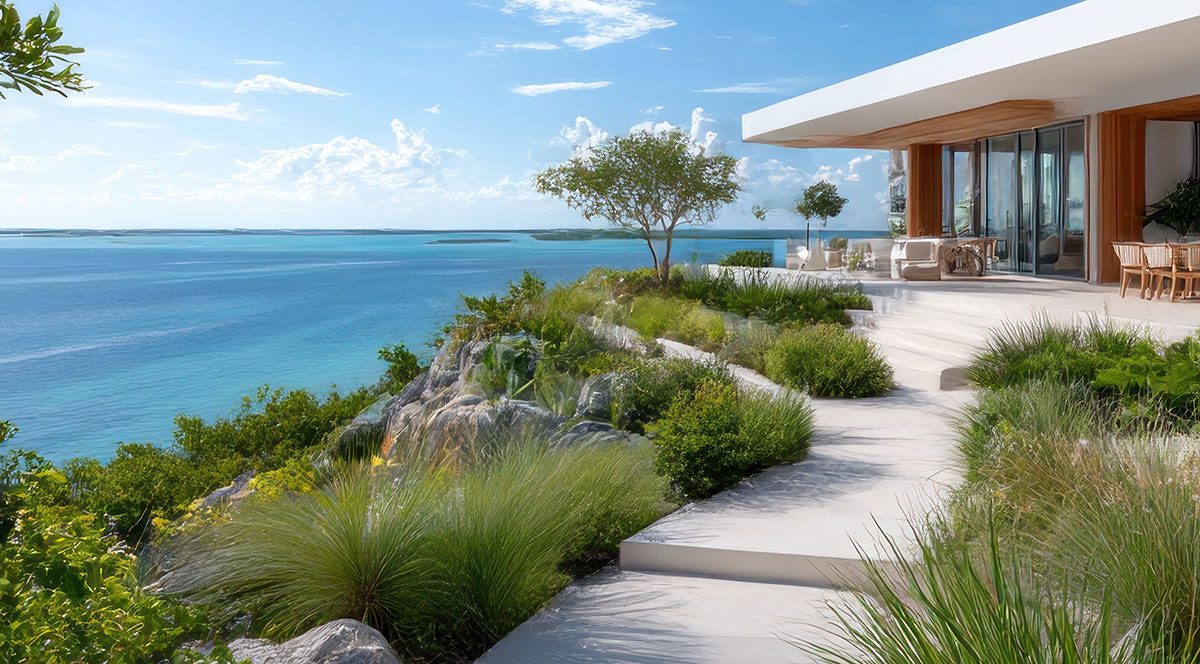
We shape the shoreline in gentle curves, not straight lines. Curves slow water and feel natural to the eye. We layer plants by height so the view stays open. Low marsh grasses in front, mangroves and native shrubs behind, and canopy trees farther back.
We also build access. A simple shell path, a small dock, or a stone step-down area can make the shoreline usable. I often add a little boardwalk section that floats above the plants, so people can walk out and feel close to the water without trampling roots.
On resorts, we do the same thing at a larger scale. You can have a living shoreline and still have lounge chairs, sunset bars, and wedding photos. In fact, guests love the feeling of being in a place that looks real.
A Small Story From a Resort Project
Last year, I worked with a boutique hotel on Anna Maria Island. Their beachfront had been losing sand for years. The owners wanted something that protected the property but didn’t ruin the guest experience.
We installed a series of oyster reef “fingers” offshore and rebuilt the dune edge with sea oats, railroad vine, and beach sunflower. We added a winding sand path through the planting, lit softly at night.
By the next season, the dune held firm through two big storms. Guests used the path constantly. Kids stopped to watch crabs in the new marsh pockets. The owners told me they started getting comments like, “This feels like old Florida, but nicer.” That’s the sweet spot.
What Homeowners Should Know Before Starting
Living shorelines are not one size fits all. You need to consider:
- Wave energy. Gentle bays are perfect. High-energy open coasts may need a hybrid approach.
- Tides and depth. Plants need the right water level to survive.
- Permits. Florida has rules for shoreline work, especially with mangroves. A good team helps navigate this.
- Patience. These shorelines grow into strength. They improve each season.
The good news is that maintenance is low once the system is established. You’re not constantly repairing concrete. You’re letting biology do the work.
A Shoreline That Gives Back
What I love most about living shorelines is that they protect without shutting nature out. They keep your yard safe, but they also feed the bay. Fish return. Birds linger. Water clears.
When Linda’s shoreline filled in with new growth, she started calling it “the little sanctuary.” She put two chairs near the path and watched herons hunt at dusk. She told me she felt like she was living with the bay again instead of defending herself from it.
That’s the real value. A living shoreline isn’t just a storm buffer. It’s a relationship reset between people and water. And in Florida, we need every chance we can get to make that relationship healthier.